
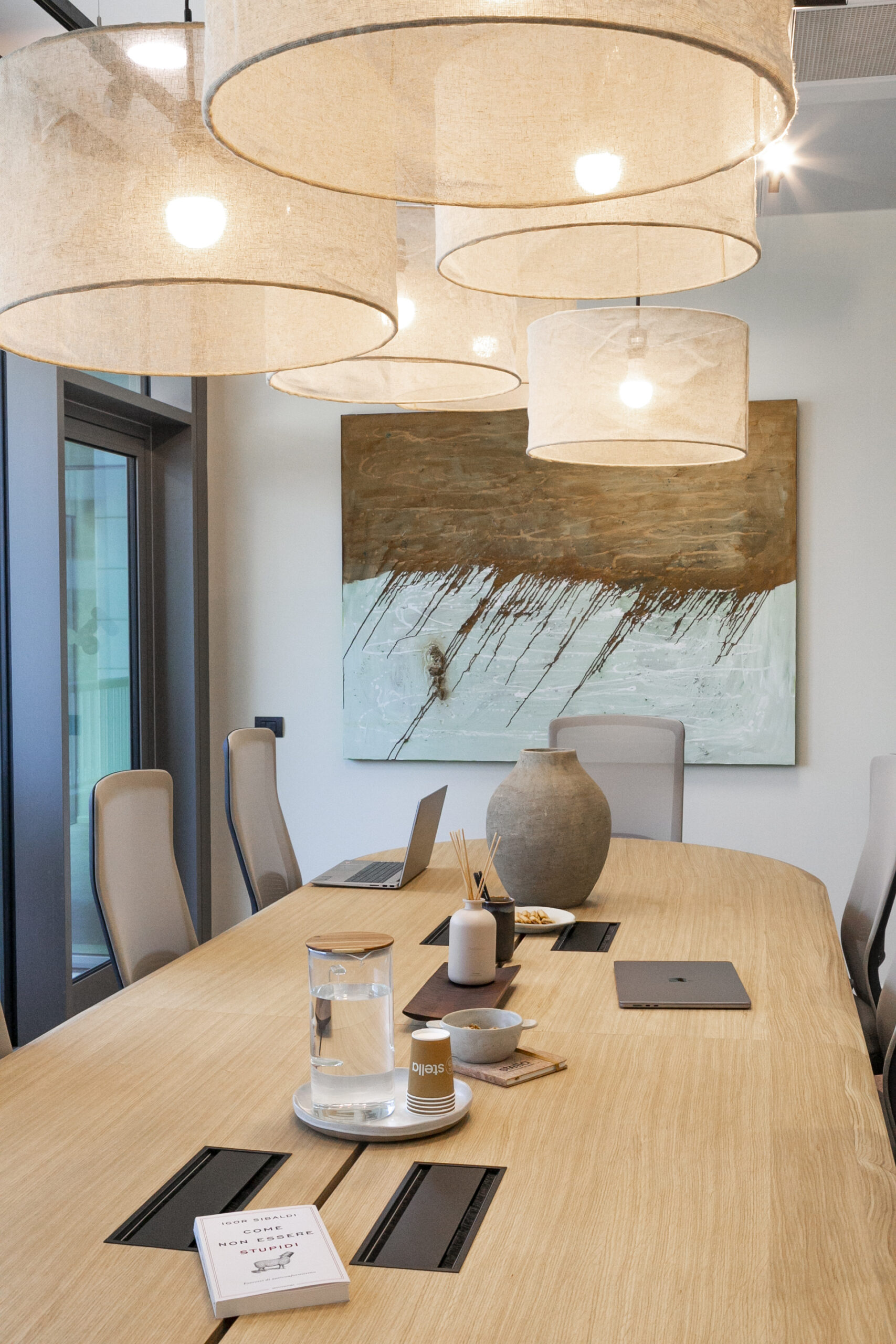
Every year, Milan becomes a global reference point for design thanks to the Salone del Mobile, the international event that brings together companies, designers, and professionals from around the world.
What is the Salone del Mobile and where is it held
The Salone del Mobile in Milan is the most important international trade fair dedicated to design and furniture. Established in 1961, it is now a key event for presenting innovations, design visions, and new industry trends.
The event takes place at Rho Fiera Milano, a major exhibition center on the outskirts of the city, easily accessible by metro and public transport. This is where the following are concentrated:
- international exhibitors
- design and furniture brands
- installations, prototypes, and new collections
- collateral events such as Euroluce, Workplace3.0, and SaloneSatellite
The Salone is therefore the “institutional” core of Design Week: a structured environment focused on business and product innovation.
What is the Fuorisalone and why has it become so important
If the Salone is the official center, Fuorisalone is what makes Milan unique during this week.
Fuorisalone is not a single event, but a widespread network of:
- installations
- exhibitions
- events
- immersive experiences
that unfold across the entire city: from historic districts such as Brera, Tortona, and 5Vie, to emerging neighborhoods and new urban development areas.
In recent years, Fuorisalone has become increasingly central for several reasons:
- Open to a broader audience
It is not limited to industry professionals: it engages creatives, companies, students, and international visitors.. - Experiential approach
It goes beyond simply displaying objects, offering experiences instead: immersive, interactive installations often at the intersection of art, technology, and design. - Urban diffusion
It transforms Milan into a cultural platform: showrooms, courtyards, historic buildings, and unconventional spaces become exhibition venues. - Cross-disciplinary exchange
Design, architecture, technology, food, sustainability, and culture intersect, creating new languages and formats.
This approach is fully aligned with the evolution of design: from object to system, from product to experience.
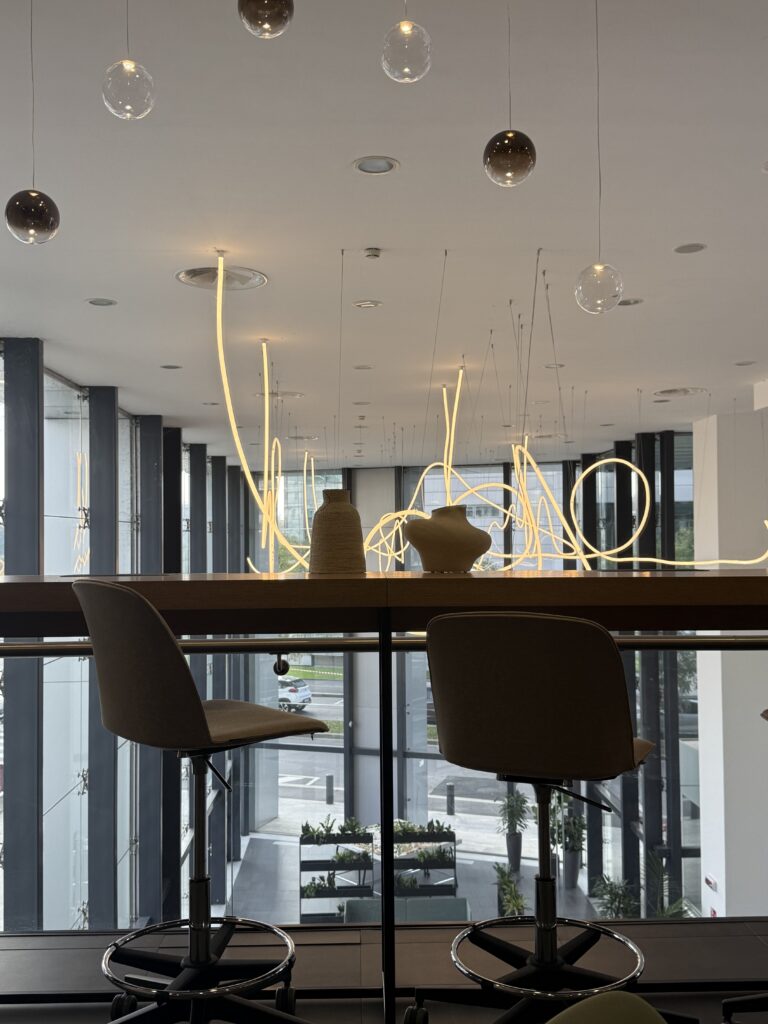
Some iconic examples of what to see at Fuorisalone
To understand what to see at Fuorisalone, it’s helpful to look at the installations that have had the greatest impact in recent years:
- Immersive and sensory installations by brands such as Google or Nike, combining light, sound, and interaction.
- Site-specific projects in historic buildings, where design engages in dialogue with the existing architecture.
- Experiences focused on sustainability, featuring innovative materials and narratives on the future of cities.
- Hybrid spaces between work, social interaction, and culture, anticipating new ways of experiencing environments.
The success of these projects shows how Fuorisalone is now an urban laboratory rather than a simple exhibition.
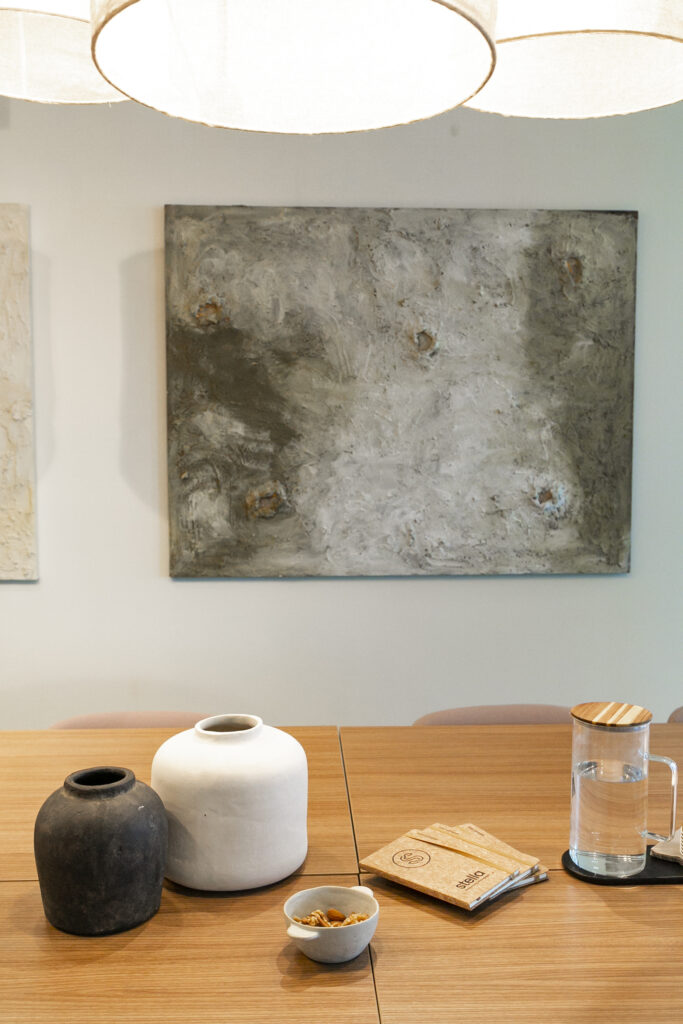
Milan as a design ecosystem
During Design Week, Milan is no longer just a city and becomes an active ecosystem made up of millions of visitors, thousands of events, and a widespread network of places and relationships.
It is precisely this “ecosystem” dimension that makes Fuorisalone so relevant: it is not only about what is seen, but about how people, spaces, and ideas connect with one another—an approach that reflects contemporary models of innovation based on relationships and cross-pollination.
Fuorisalone 2026: New Locations and New Formats
In recent years, Fuorisalone has been expanding into new areas of the city, including transforming neighborhoods and spaces not traditionally associated with design.
In this context, workplaces are also evolving, becoming part of the urban cultural experience.
For this year’s edition, Stella33 will take part in Fuorisalone with an exhibition at Stella Santa Giulia, entitled:
“LIMITLESS WORKSPACE – where design performs”
The project is conceived with the aim of going beyond the concept of a traditional exhibition, transforming the workspace into a distributed exhibition where design is not only observed, but experienced.
A journey that interprets the office as Stella33 has always envisioned it: a cultural and relational ecosystem where design, community, and identity engage in dialogue and take shape through the everyday use of spaces.
Have we sparked your interest and would you like to receive more information? Please fill out the form.